The Odyssey (2026)
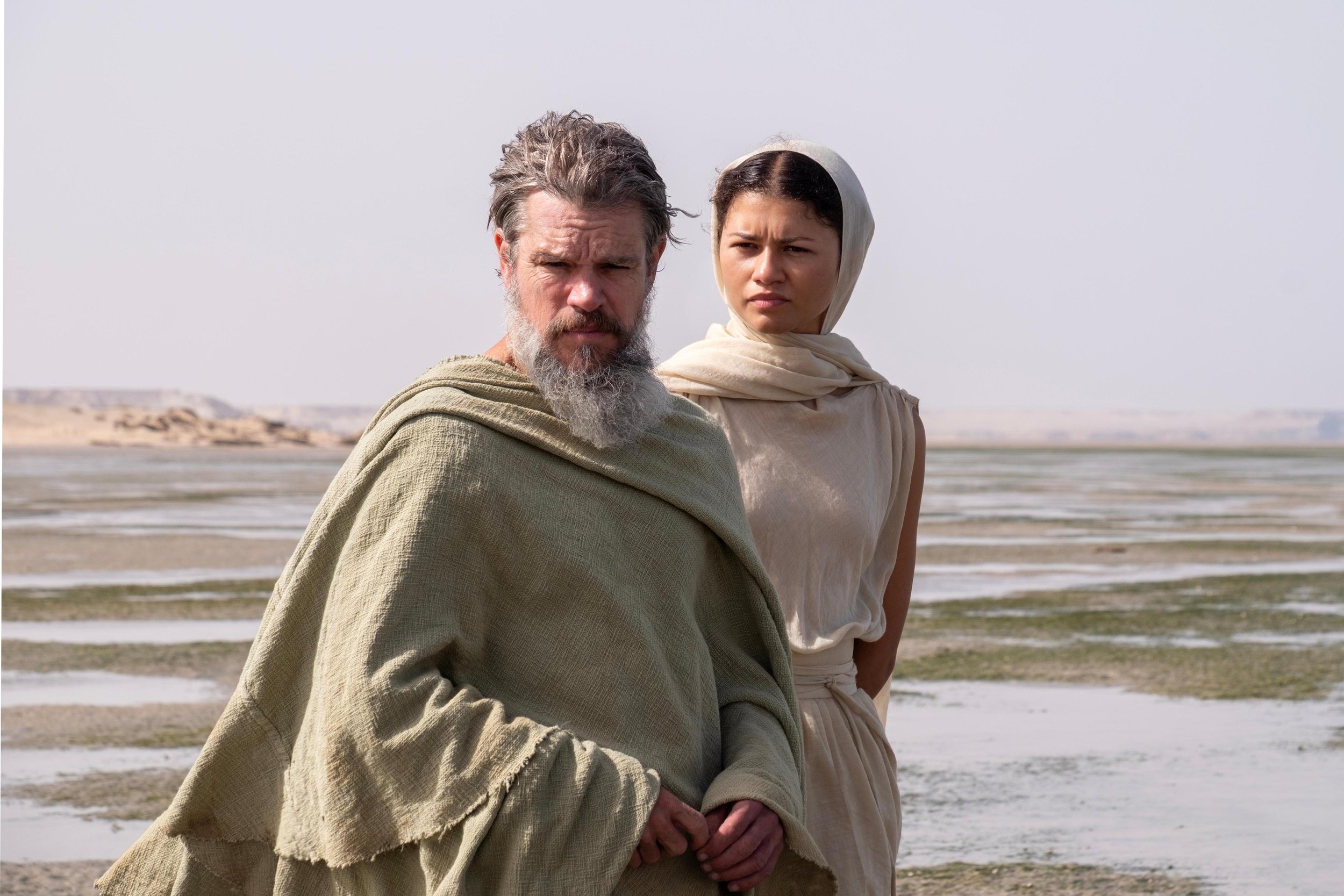
After my first viewing of The Odyssey, I immediately booked a second.
It's a myth. An epic. A war story filled with monsters. But beneath all of that, what Nolan is really telling is the story of a man locked in a lifelong struggle with both fate and his own conscience. Odysseus isn't simply lost—he has lost himself.
That, to me, is Nolan's most fascinating and most moving interpretation of The Odyssey.
Odysseus despises striking from behind, yet during the Trojan War he became the architect of deception. His journey home is less a voyage of return than a long trial of his own soul. Every monster he encounters, every god who intervenes, forces him to confront the choices he once made.
The scale of the story is immense, yet it's told through a nonlinear structure. The film constantly moves between past and future, but it's remarkably easy to follow. That's because Nolan always knows exactly what he's trying to say. Every jump through time reinforces the same central idea rather than distracting from it.
Late in the film comes a seemingly understated revelation that completely floored me. In that one moment, the entire story is elevated. My only reaction was: ...that's incredible. No melodrama. No lengthy explanation. Just a single shot.
I'm grateful that films like this still exist. It has the spectacle and ambition of a AAA game, yet its themes feel deeply personal. Its storytelling is unconventional, and it's genuinely difficult to put the experience into words.
See it in a theater if you can. This is exactly the kind of film worth supporting.
